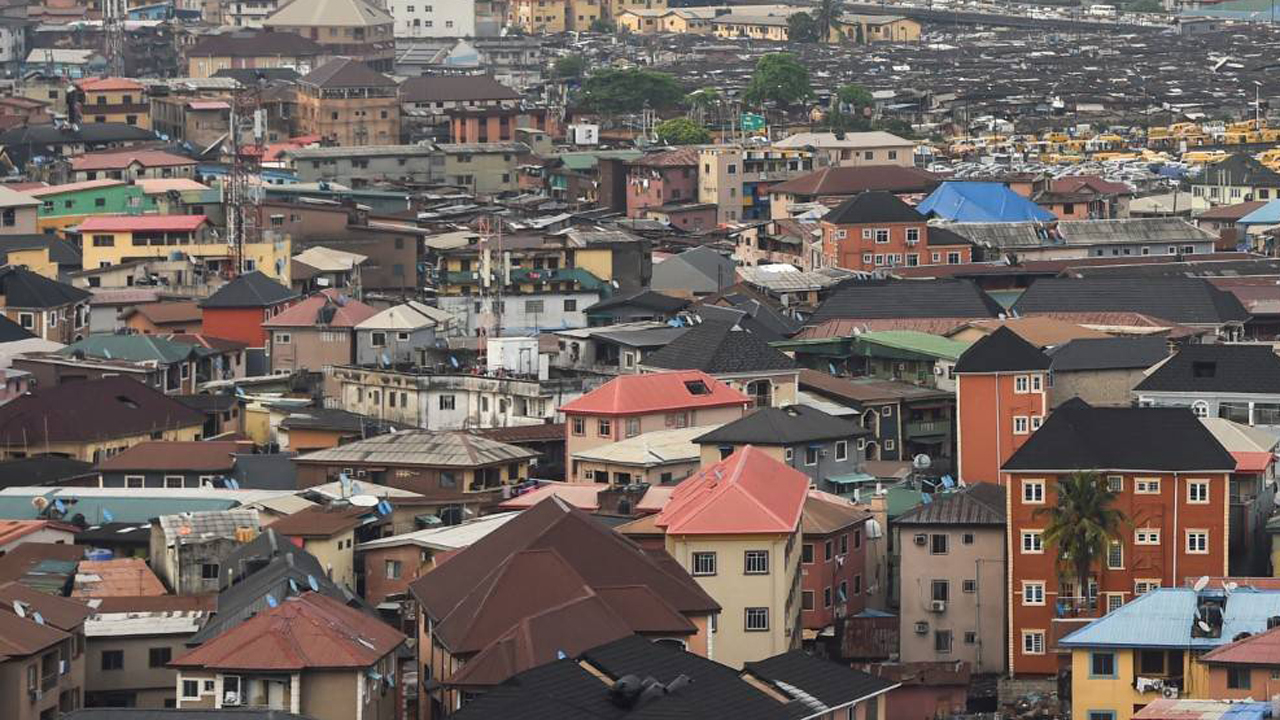
The housing market in Nigeria has experienced a notable increase of approximately 40% in leasing and sales costs during the first half of 2023.
Despite inflation, rising interest rates, and reduced new investments, the cost of leasing or purchasing residential properties in major cities such as Lagos, Abuja, Enugu, Port Harcourt, and Kano has risen significantly, making it increasingly unaffordable for many individuals.
Stakeholders have expressed concerns over the absence of standards and price controls in the market, enabling operators to exploit weaknesses and arbitrarily raise prices for materials.
The country’s Monetary Policy Rate (Interest Rate) has surged from 16.5% to 18.75% within six months, leading to a 12% increase in the cost of capital.
This has discouraged borrowing and reduced overall money circulation in the Nigerian economy.
The escalating costs have also affected construction, resulting in delays in real estate supply, which further intensifies pressure on property prices.
The rise in prices of construction materials, such as cement, blocks, paints, and others, has significantly contributed to this trend.
Despite these challenges, rental prices have remained resilient in core city centers, with sustained growth in accessible and affordable neighborhoods.
Sales, primarily driven by diaspora spending and a focus on off-plan properties, have remained relatively stable.
Property experts have observed similar trends across the nation, with varying percentages of change for different types of properties.
In Lagos, for example, rent prices have surged in both new and old buildings, affecting the overall market.
The rise in costs has also been evident in other major cities like Port Harcourt and Abuja.
The market uncertainty, coupled with increased material costs, has led stakeholders to adopt a wait-and-hold strategy, particularly for capital-intensive projects.
The sustained inflation growth and reduced purchasing power have justified the recent increase in rental prices, as individuals prefer renting over purchasing due to economic uncertainty.
 AGS NEWS