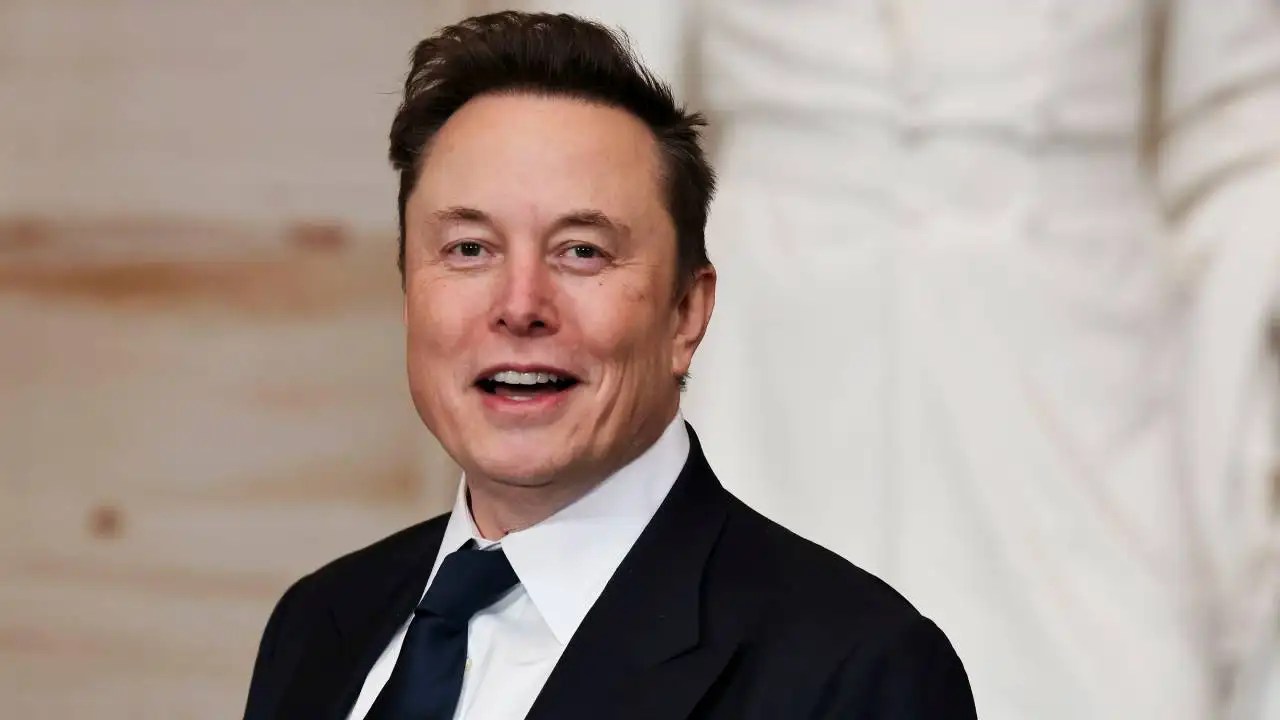
Tesla shares fell by more than 3% on Monday, July 7, following CEO Elon Musk’s surprise announcement of plans to form a new U.S. political party. The move has raised fresh concerns among investors about Musk’s focus on the electric vehicle giant, as his political involvement continues to deepen.
The announcement, which comes amid an intensifying feud between Musk and former President Donald Trump, has unsettled markets and renewed questions about leadership stability at Tesla.
According to Reuters, the company’s shares also slipped over 3% in Frankfurt trading, pointing to possible further losses when U.S. markets reopen after the July 4 holiday weekend.
Dan Ives, a veteran tech analyst at Wedbush, expressed concern in a research note on Sunday, warning that Musk’s growing political ambitions could be a distraction for Tesla at a critical time in its global expansion.
ALSO READ: Odumodublvck expresses disappointment over Elon Musk
Ives described Musk as Tesla’s “biggest asset” but emphasized that the company needs his undivided attention.
“Tesla needs Musk as CEO and its biggest asset—not heading down the political route yet again, especially while also getting on Trump’s bad side,” Ives wrote. He added that the situation could lead Tesla’s board of directors to step in, depending on how far Musk pursues his political agenda.
Musk’s proposed political platform, dubbed the “America Party,” drew swift criticism from Trump, who called the idea “ridiculous.”
The former president also questioned Musk’s past ties to government agencies, highlighting the appointment of a Musk associate to NASA and implying a potential conflict of interest due to Musk’s involvement with SpaceX.
The latest controversy adds to a series of recent challenges for Tesla’s leadership, including questions about governance, executive focus, and public perception.
As Musk increasingly intertwines his business ventures with personal and political interests, investors are left to consider the long-term implications for Tesla’s strategic direction and market stability.
 AGS NEWS