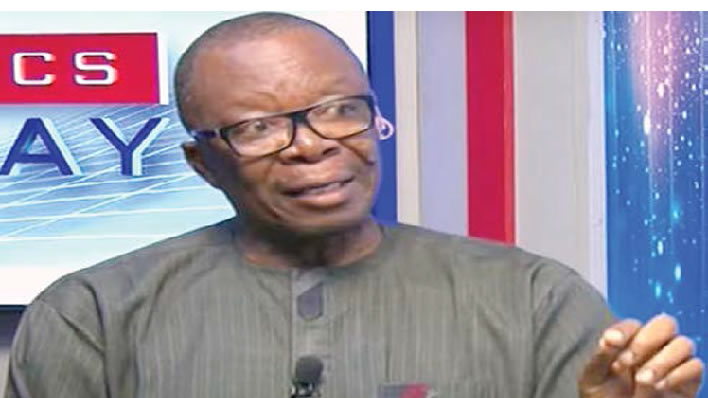
The Academic Staff Union of Universities (ASUU) has issued a warning that universities nationwide may face strikes in 2024 due to the insufficient budget allocated to the education sector and inadequate remuneration.
Prof. Emmanuel Oshodeke highlighted President Bola Tinubu’s earlier promise to increase the education sector’s budget to at least 15 percent during the campaign and election earlier this year.
ALSO READ: Labour cries out as FG stops N35,000 award payment
Oshodeke expressed disappointment at the 2024 education budget, amounting to N2.18 trillion or 7.9 percent of the total budget, the same figure as during the Buhari administration.
He emphasized the need for a substantial increase in the budget to make progress in the sector, urging the government to fulfill Tinubu’s promise to raise the education budget to 15 percent or more.
The ASUU president pointed out that Nigeria has the lowest remuneration for professors globally, and with the current budget allocation, there would be little improvement in the education sector.
He urged the government to engage with cabinet members and increase the budget to meet the promised percentage.
“If no improvement on this and our other demands, by next year, we will mobilize our people because Oyo State has 15 percent, and Enugu State budgeted 32 percent for education, but FG is giving less than eight percent,” Oshodeke warned.
Similarly, Dr. Anderson Ezeibe, the National President of the Academic Staff Union of Polytechnics, expressed dismay over the sector’s allocation, emphasizing that it falls short of expectations and cannot adequately address the sector’s multifaceted problems.
ALSO READ: Doctors urge Tinubu to allocate 15% of budget to health
Ezeibe also addressed the brain drain issue, recommending an increase in lecturer salaries, payment of arrears, and a separation of lecturers from civil servants.
Both Oshodeke and Ezeibe highlighted the need for improved funding, better wage structures, and global governance standards to retain academics and prevent the brain drain in the education sector.
 AGS NEWS