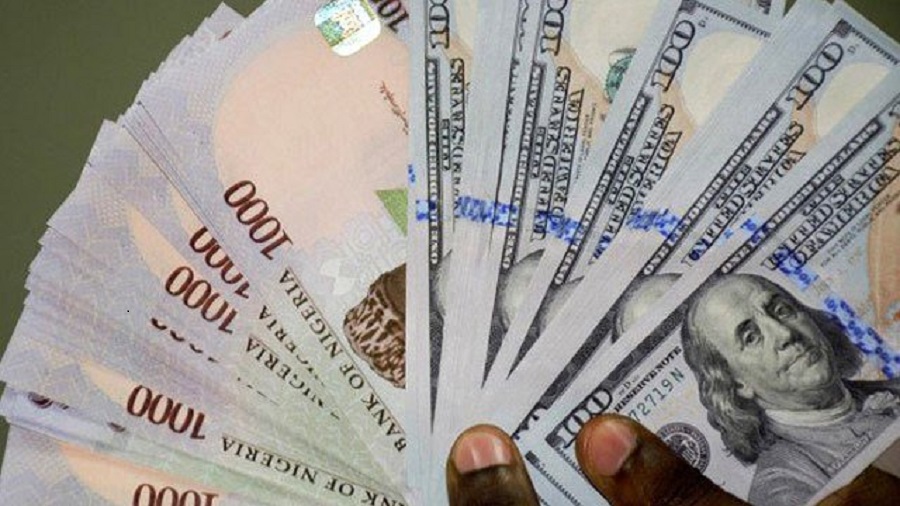
In response to a decline in the value of the Nigerian Naira, the Central Bank of Nigeria (CBN) has announced measures to increase the supply of dollars in the foreign exchange market and has lifted the ban on 43 previously restricted items from accessing foreign exchange at the official market.
The Naira had experienced significant pressure, causing it to fall to 1,050 Naira to the US dollar in the parallel market. This prompted international organizations and experts to advocate for a policy change.
Despite unifying exchange rates, the CBN had maintained the ban on these 43 non-eligible items since June. This move was initially introduced under the former CBN Governor, Godwin Emefiele.
Over the years, Nigerians have imported nine items worth 18.12 trillion Naira from the CBN’s forex ban list. Crude palm oil, vegetable products, animal products, meat, vegetable fats and oil, steel products, rubber, plastic, clothes, and textiles were among the items imported from various countries, as per the Nigerian Foreign Trade reports.
However, experts and organizations had repeatedly advised the CBN to remove the forex restrictions, including Citigroup, which emphasized the need to eliminate restrictions on these 43 items to address challenges in the forex market.
ALSO READ: CBN licensed firm’s strategy to address FX liquidity crisis unveiled
The World Bank, in its June 2023 Nigeria Development Update, also urged the CBN to end its forex restriction policy, stating it would complement efforts to reduce inflation through a coordinated mix of monetary, fiscal, and trade plans.
In response to these pressures, the CBN has now lifted the ban on the importers of the 43 restricted items from accessing foreign exchange on its official platform. The bank aims to boost liquidity in the Nigerian foreign exchange market and encourage market forces to determine exchange rates.
The new Governor of the Central Bank of Nigeria, Olayemi Cardoso, has pledged to review the CBN’s foreign exchange market policies, corporate governance practices, and monetary policies to reform the bank and support its core mandates.
Cardoso outlined the challenges facing the CBN, introduced high-level proposals to address reform challenges, and discussed the role of the central bank in supporting the economic agenda of President Bola Tinubu.
The proposed reforms include addressing corporate governance failures, restoring confidence in the autonomy and integrity of the CBN, refocusing the CBN on its core functions, reverting to evidence-based monetary policies, discontinuing unorthodox monetary policies, and addressing the backlog of FX demand.
Cardoso also plans to limit the CBN’s fiscal side interventions and propose responses to inflation and price stability issues, while emphasizing that the CBN should focus on its core mandate and adopt a more advisory role to support economic growth.
 AGS NEWS