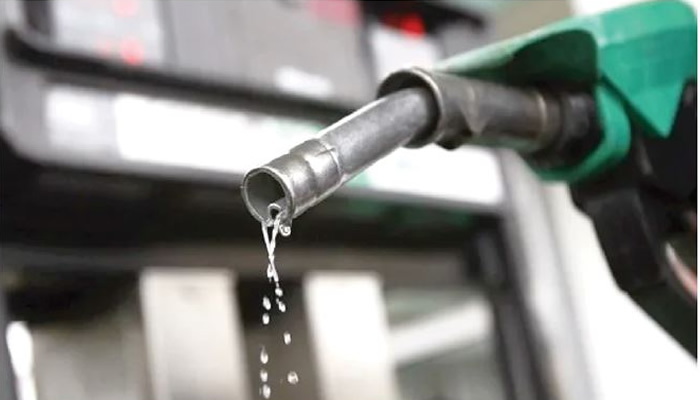
Global crude oil prices are edging toward the $80 per barrel mark amid escalating tensions in the Middle East, with oil markets reacting strongly to overnight US-Israeli airstrikes on key Iranian nuclear facilities. Analysts warn that the surge may soon trigger a steep rise in petrol prices across Nigeria, potentially reaching ₦1,000 per litre.
The geopolitical turmoil intensified after the United States, in a coordinated move with Israel, launched what it called a “preemptive defensive strike” on three major Iranian nuclear sites. Former US President Donald Trump announced the airstrikes had “obliterated” critical infrastructure in Tehran, escalating regional conflict and prompting Iran—a major OPEC producer—to vow retaliation.
In response, Iran’s parliament reportedly moved to shut the Strait of Hormuz, a vital maritime chokepoint through which nearly 20% of the world’s oil supply passes. Although not yet a formal resolution, the move sparked immediate panic in the global energy markets. Brent crude climbed early Sunday, with analysts forecasting a $3–$5 jump when markets open.
Energy market observers in Nigeria say the ripple effect of these developments could significantly impact domestic fuel prices. Olatide Jeremiah, CEO of PetroleumPrice.ng, said private depots are already preparing for a price hike.
“If crude surpasses $80 per barrel by Monday, we may see depot prices rise to ₦1,000 per litre,” Jeremiah told AGS. “Many depots will take advantage of this, except Dangote continues to stabilize prices. Last week’s price hike was largely due to a temporary halt in Dangote refinery sales, but they’ve resumed at ₦880 for two million litres.”
The Independent Petroleum Marketers Association of Nigeria (IPMAN) also confirmed a steady uptick in domestic prices linked to global crude volatility. IPMAN’s National Publicity Secretary, Chinedu Ukadike, attributed the surge to heightened tensions between Israel and Iran, compounded by a fluctuating exchange rate.
“Brent crude has jumped from about $66 to nearly $77 per barrel. This directly impacts domestic petrol pricing. Many marketers are adjusting their strategy to cope with increasing costs,” Ukadike explained.
ALSO READ: Global petrol prices surge by 20%
According to him, lifting 50,000 litres of petrol now demands higher capital, putting pressure on independent marketers. “In parts of the North, petrol is already selling at ₦980 to ₦1,000 per litre due to logistics and transport costs,” he added.
AGS observed that petrol prices have climbed nationwide. On Friday, the Dangote refinery increased its price from ₦825 to ₦880 per litre. MRS Oil and other stations followed suit, with pump prices reaching ₦955 in the South East and North West. In Lagos, petrol sold at ₦925 on Sunday.
South-South stations, leveraging coastal delivery routes, reportedly priced petrol at up to ₦950 per litre. Depot proximity and transportation costs remain key pricing variables.
Nigeria’s major crude grades—Bonny Light, Brass River, and Qua Iboe—were all trading around $79 per barrel over the weekend. Oilprice.com data on Sunday placed Bonny Light at $78.62, with Brent crude at $77.01 and West Texas Intermediate (WTI) at $73.84.
These prices exceed the Federal Government’s 2025 budget benchmark of $75 per barrel, offering temporary fiscal relief but increasing pressure on local consumers.
Analysts have warned that any further escalation in the Middle East could exacerbate fuel price hikes. Ole Hansen of Saxo Bank projected a $4–$5 jump in Brent crude prices, while SEB analyst Ole Hvalbye and Rystad Energy’s Jorge Leon noted that geopolitical tensions are already pricing in a risk premium.
Despite sanctions and previous price dips, Brent has risen by 11% and WTI by 10% since June 13, when Israel began targeting Iranian nuclear facilities and Iran retaliated with missile strikes in Tel Aviv.
Globally, analysts believe oil prices will depend on whether the conflict leads to actual supply disruptions. Giovanni Staunovo of UBS said prices may rise further only if real disruptions occur, warning that risk premiums may fade without direct supply impacts.
Meanwhile, in Iran, Parliament’s move to close the Strait of Hormuz remains unofficial. A member of its national security commission, Esmail Kosari, said the decision ultimately lies with the Supreme National Security Council.
The 21-mile-wide strait, connecting the Persian Gulf to the Arabian Sea, handles over 17 million barrels of oil daily. Its closure would have catastrophic consequences for global energy supply and prices.
In Nigeria, importers and depots have already adjusted to the new crude price reality. Petrol rose from ₦825 to ₦840 on Monday, with Rainoil jumping by ₦50 to ₦900 per litre. Fynefield and Mainland raised depot prices to ₦930 and ₦920 respectively. Sigmund, Matrix Warri, and NIPCO all recorded steep increases, while Aiteo priced petrol at ₦840.
The Nigerian National Petroleum Company Limited (NNPCL) is also expected to review its pump prices. With Dangote refinery sourcing crude at global market rates, the anticipated local price advantage is gradually fading.
As the global oil market braces for the week ahead, Nigerian consumers are likely to feel the immediate impact at the pump—where prices could cross the ₦1,000 mark for the first time in history.
 AGS NEWS