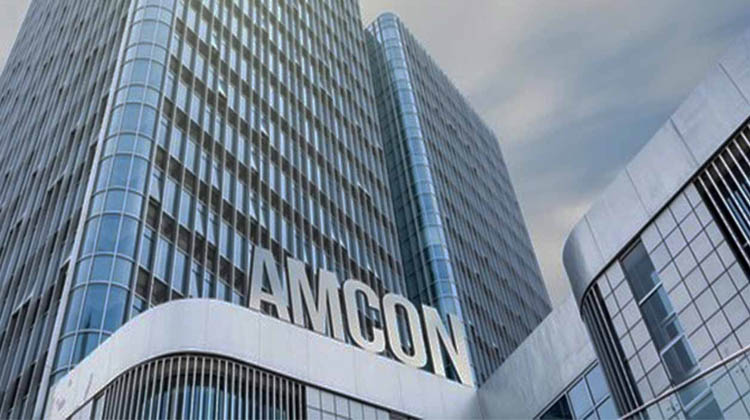
AGS NEWS – Nine banks increased their statutory contribution to the Asset Management Corporation of Nigeria by 25.81% to N306.06 billion in 2023 compared to N243.28 billion in the previous year.
This information was gathered from reporters analysis of annual reports filed by banking groups with the Nigerian Exchange Group for the year ending 2023.
ALSO READ: Banks prohibited from using FX revaluation gains for dividends – CBN
The banking groups reviewed included FBN Holdings, Access Holdings, Zenith Bank, United Bank for Africa, Stanbic IBTC Holdings, FCMB Group, Guaranty Trust Holding Company, Fidelity Bank, and Wema Bank. Access Holdings, the parent company of Nigeria’s largest bank, led with the highest AMCON levy payment of N68.81 billion, a 30.48% increase over the previous year.
Zenith Bank followed, paying N57.38 billion compared to N44.01 billion in 2022.
Other contributions to AMCON included N50.10 billion from FBN Holdings, N40.36 billion from UBA, N27.31 billion from GTCO, N23.07 billion from Fidelity Bank, N15.66 billion from FCMB Group, N15.39 billion from Stanbic IBTC, and N7.99 billion from Wema Bank.
AMCON’s levy, categorized as banking sector resolution cost, is listed under the operating expenses of financial institutions and is one of the significant expenditures alongside marketing, fuel, repairs, maintenance, and directors’ emoluments.
According to Segun Agbaje, the Chief Executive Officer of GTCO, the AMCON levy contributed to the increase in the banking group’s operating expenses.
He highlighted that the group’s total operating expenses grew by 26.2% primarily due to an increase in the AMCON levy and NDIC premium, among other factors.
ALSO READ: OpenAI CEO Sam Altman makes dramatic return after being fired
AMCON was established in July 2010 to stabilize the financial system by efficiently resolving non-performing loan assets of banks.
As of December 2023, AMCON reported recovering N1.8 trillion. However, there have been calls for its dissolution, with critics like Edward Akinlade, CEO of Suru Homes Limited, arguing that AMCON has outlived its usefulness and become a burden to the Nigerian government.
Akinlade suggested providing support to indebted companies through grants and debt write-offs to redirect funds into strategic investments for national development.
 AGS NEWS