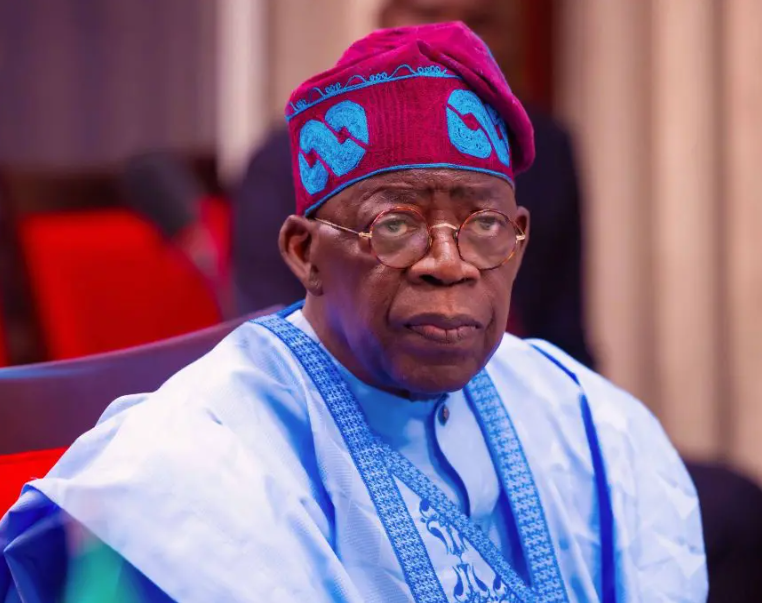
The International Monetary Fund (IMF) has reported that the Nigerian government has resumed the provision of subsidies on premium motor spirit (PMS), commonly known as petrol.
This move comes after President Bola Tinubu’s announcement on May 29, 2023, during his swearing-in speech, where he declared an end to petrol subsidies.
Following this declaration, the Central Bank of Nigeria (CBN) consolidated various exchange rate regimes into a single one, resulting in the depreciation of the Naira against the Dollar.
ALSO READ: Electricity subsidy hits N376 billion as consumers Shell out N783 billion
The IMF, in its statement issued over the weekend after the conclusion of its Executive Board’s Post Financing Assessment with Nigeria, expressed concerns regarding the government’s decision to cap fuel prices at retail stations.
The global financial institution advised the Tinubu administration to completely cease the payment of petrol subsidies to allocate funds more efficiently for government operations.
Despite the removal of petrol subsidies in May 2023, the pump price initially dropped from N185 per litre to N40 per litre, then surged to N568 per litre at NNPC fuelling stations, with some stations selling above N600.
While the government had stated that pump prices would fluctuate post-subsidy removal, they have remained steady despite fluctuations in global crude oil prices.
In its recent statement, the IMF acknowledged the government’s efforts to cap retail fuel and electricity prices to alleviate the impact of inflation on living conditions.
ALSO READ: Tinubu set to attend AFCON final in Cote d’Ivoire
However, it emphasized that fuel and electricity subsidies are costly, inefficient, and should be phased out entirely.
The IMF also praised the government’s focus on revenue mobilization and digitalization, highlighting their potential to enhance public service delivery, maintain fiscal sustainability, and reduce reliance on CBN financing, which has surpassed N20 trillion.
 AGS NEWS