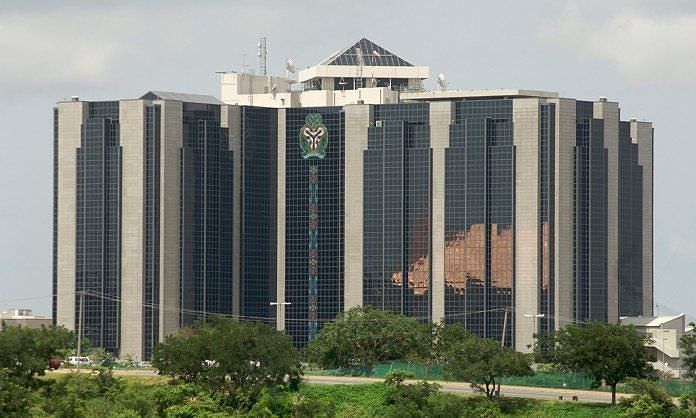
The Central Bank of Nigeria (CBN) issued a warning on Friday regarding the circulation of counterfeit banknotes, particularly in higher denominations, across major cities in the country.
In a statement signed by the acting Director of Corporate Communications, Mrs. Sidi Hakama, the banking regulator expressed concern about the prevalence of these counterfeit notes, especially in transactions within food markets and commercial centers.
ALSO READ: CBN reports forex inflow surges to $11 billion over two months
This revelation occurred amid ongoing complaints from bank depositors regarding cash shortages, both from Automated Teller Machines (ATMs) and over-the-counter services in banks.
Despite the CBN’s directives for banks to continue issuing and accepting old and redesigned naira banknotes, a scarcity of cash persisted.
Observations during the week indicated that banks were limiting cash payments over the counter, while ATMs had withdrawal limits.
Some specific instances in Lagos revealed that certain ATMs were only disbursing N5,000 to non-bank customers, with banks restricting withdrawals to N20,000.
In response to these challenges, the CBN clarified its commitment to combating counterfeiting, emphasizing the legal consequences under Section 20(4) of the CBN Act (2007), which stipulates a term of imprisonment of not less than five years for counterfeiting banknotes.
The CBN reiterated its collaboration with relevant security and financial agencies to apprehend counterfeiters and encouraged the public to report suspicions to law enforcement or the CBN.
ALSO READ: CBN report warns of financial stability threat from eNaira
The CBN called for increased vigilance from financial institutions, Bureau de Change operators, and the public, urging them to take precautionary measures against the acceptance and distribution of counterfeit notes.
The statement encouraged the adoption of alternative payment modes and electronic channels for day-to-day transactions to mitigate the risk of spreading counterfeit banknotes.
 AGS NEWS