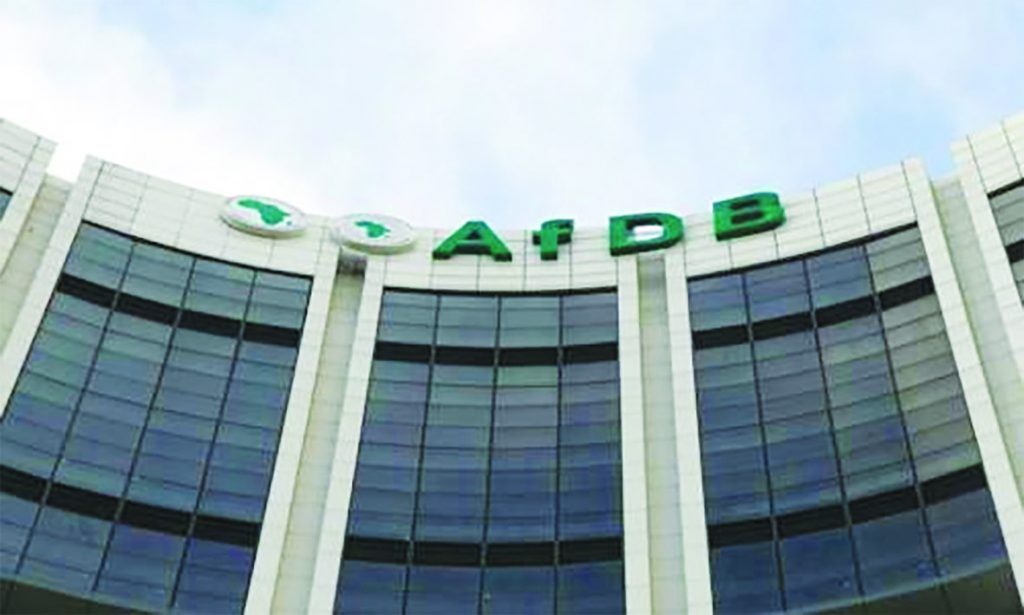
The President of the African Development Bank Group, Dr Akinwumi Adesina, has cautioned that a proposed EU carbon border tax could have significant repercussions on Africa’s trade and industrialization efforts.
The tax, targeting value-added exports such as steel, cement, iron, aluminum, and fertilizers, could impede progress by penalizing these key sectors.
ALSO READ: D-Black explains why Nigerian artists outshine other African artists
Speaking at the Sustainable Trade Africa Conference in Dubai held at the UAE Trade Centre, Adesina expressed concern about the potential consequences of the EU carbon border tax.
He stated, “With Africa’s energy deficit and reliance mainly on fossil fuels, especially diesel, the implication is that Africa will be forced to export raw commodities again into Europe, which will further cause the de-industrialization of Africa.
Africa could lose up to $25bn per annum as a direct result of the EU carbon border tax adjustment mechanism.”
Emphasizing Africa’s vulnerability to climate change and its limited integration into global value chains, Adesina highlighted the importance of intra-regional exchanges.
He noted that the new Africa Continental Free Trade Area is estimated to boost intra-Africa exports by over 80% by 2035.
Adesina pointed out that Africa is already being marginalized in the global energy transition, receiving only $60 billion or two percent of the $3 trillion in global investments in renewable energy over the past two decades.
To address this, he advocated for “Just Trade-for-Energy Transition” policies that would facilitate Africa’s renewable ambitions without hindering its trade prospects.
ALSO READ: Senate investigates Nigerian customs service for alleged N62bn under remittance
In terms of energy transition, Adesina suggested the use of natural gas as a transitional fuel to support industrialization, reduce the variability of renewable energy, and stabilize Africa’s energy systems.
Contrary to common perceptions, Walid Alfalahi, the CEO of the UAE Trade Centre, highlighted Africa as a new frontier for investment, dispelling notions that the continent is inherently challenging for business.
 AGS NEWS