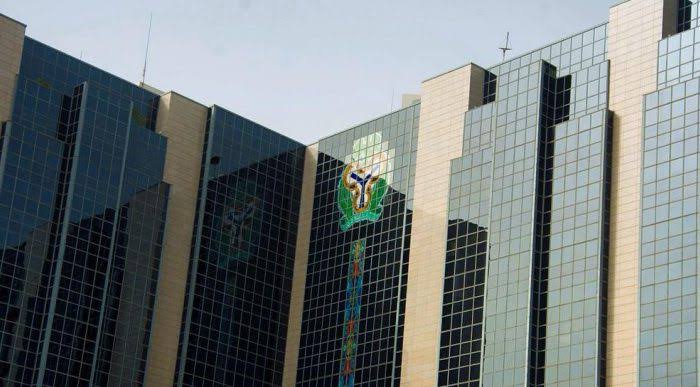
In a recent report by the Economist Intelligence Unit (EIU), questions have been raised about the Central Bank of Nigeria’s (CBN) financial capacity to settle the $6 billion forex backlogs owed to banks.
The EIU expressed skepticism, stating that the CBN “lacks the firepower” for such activities and lacks the experience to execute a foreign currency float, contributing to a negative outlook for the naira.
Despite last week’s appreciation of the naira following reports that the CBN had begun clearing debts owed to banks, the EIU’s new country report for Nigeria suggests that currency losses may persist due to the substantial size of the parallel market and the country’s low foreign exchange reserves.
ALSO READ: Nigeria customs seizes contrabands worth N924 million in recent operations
The report emphasizes that the authorities haven’t demonstrated enough willingness to implement orthodox monetary policies to address issues impacting the naira, such as significantly negative short-term real interest rates.
The EIU report highlights concerns about the continued pressure on the naira, indicating that the CBN might struggle to supply the market adequately or clear a backlog of foreign exchange orders exceeding $6 billion, keeping foreign investors uneasy.
Official foreign reserves, reported at $33 billion, are also noted to have a significant portion encumbered, tied up in derivative contracts or loans.
The report concludes that an unsupportive monetary policy could leave the official exchange rate propped up by access restrictions, resulting in prolonged lead times at the Nigerian Foreign Exchange Market (NFEM).
ALSO READ: CBN licensed firm’s strategy to address FX liquidity crisis unveiled
However, lasting commitment to a market-led naira is not expected, given the CBN’s perceived lack of experience in conducting monetary policy under a float.
The exchange-rate regime is predicted to remain unstable, with periodic devaluations, fueled by high inflation and continued disparities with the parallel market.
 AGS NEWS