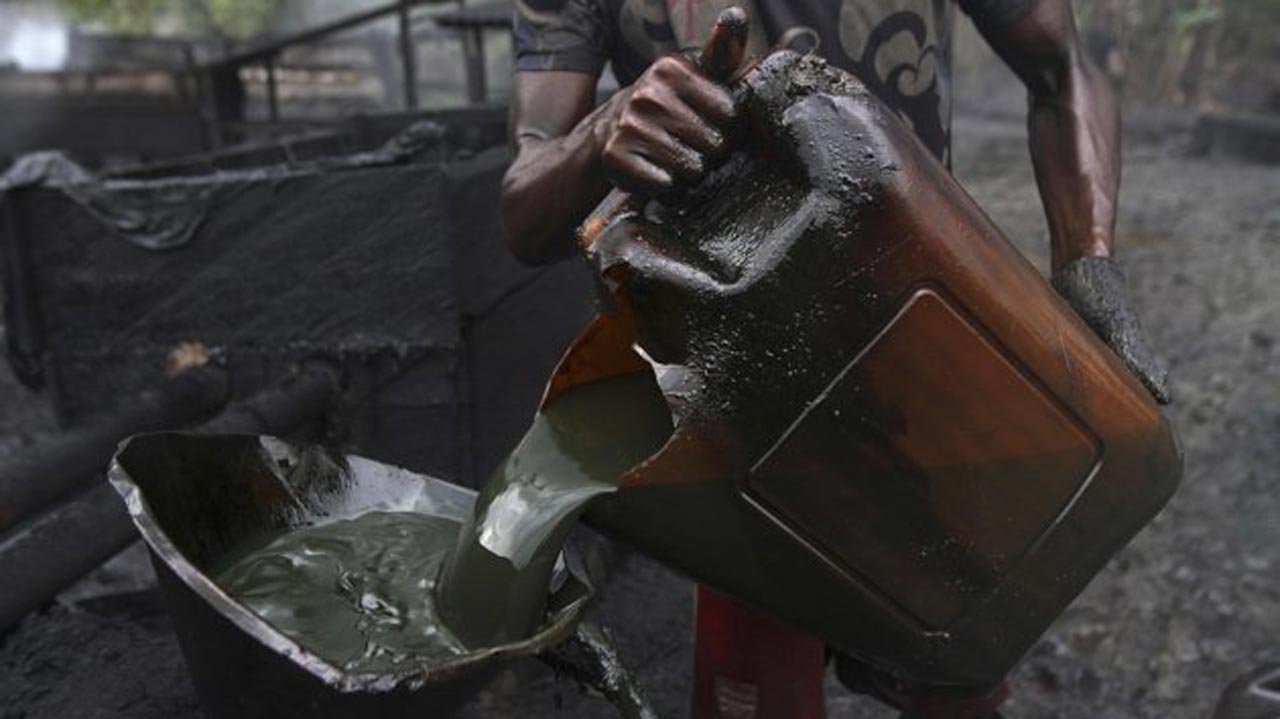
The Federal Government has disclosed that over a period of five years, more than N4.3 trillion worth of crude oil was stolen in 7,143 pipeline vandalism cases.
This revelation came during the Nigeria International Pipeline Technology and Security Conference in Abuja, organized by the Pipeline Professionals Association of Nigeria, with the theme, ‘Bolstering Regulations, Technology and Security for Growth.’
According to the Nigeria Extractive Industries Transparency Initiative (NEITI), an agency of the Federal Government, oil theft and losses in Nigeria have escalated to the status of a national emergency.
ALSO READ: FG allocates N15 billion for third mainland bridge repairs
Ogbonnaya Orji, the Executive Secretary of NEITI, emphasized that oil theft poses a severe threat to oil exploration and exploitation, with substantial negative consequences for economic growth, business prospects, and profit earnings by oil companies.
NEITI provided data from its reports to support the claims. Orji stated, “NEITI disclosed that in the last five years, 2017 to 2021, Nigeria recorded 7,143 cases of pipeline breakages and deliberate vandalism resulting in crude theft and product losses of 208.639 million barrels valued at $12.74 million or N4.325 trillion.”
During the same period, Nigeria spent N471.493 billion on pipeline repairs and maintenance.
Orji noted that despite the oil and gas sector’s strategic contributions to Nigeria’s economy, the country has not fully benefited from its oil and gas resources due to ongoing oil theft, pipeline vandalism, pipeline integrity compromise, sabotage, and general insecurity in the region.
ALSO READ: Federal government launches CNG conversion center in Abuja
Oil theft is often carried out through methods such as pipeline clamping, illegal connections on major pipelines, exploiting abandoned oil wellheads, pipeline breakages, and vandalism of key national assets to illegally siphon crude into vessels stationed in strategic terminals.
These criminal activities often take place in an atmosphere of complicity and silence within local communities.
Orji called attention to the complicity of some members of the pipelines association, stating that illegal connections and pipeline clamping require specific skills and knowledge, which suggests the involvement of some association members.
ALSO READ: Edo state partners with palm oil company to boost production
He emphasized the need for stringent regulations and appropriate sanctions to curb the involvement of association members in such illicit activities.
 AGS NEWS