A recent report titled “Climate Change and Socio-Economic Development in Nigeria” has disclosed that climate change is exacting a heavy toll on Nigeria, with an estimated annual cost of approximately $100 billion.
The report highlights the various ways in which climate change is impacting the country, including exacerbating hunger, poverty, disease burdens, migration, conflict, and insecurity.
It is also causing damage to infrastructure and altering the country’s coastlines.
ALSO READ: Bill to establish Nigerian institute of facilities management approved
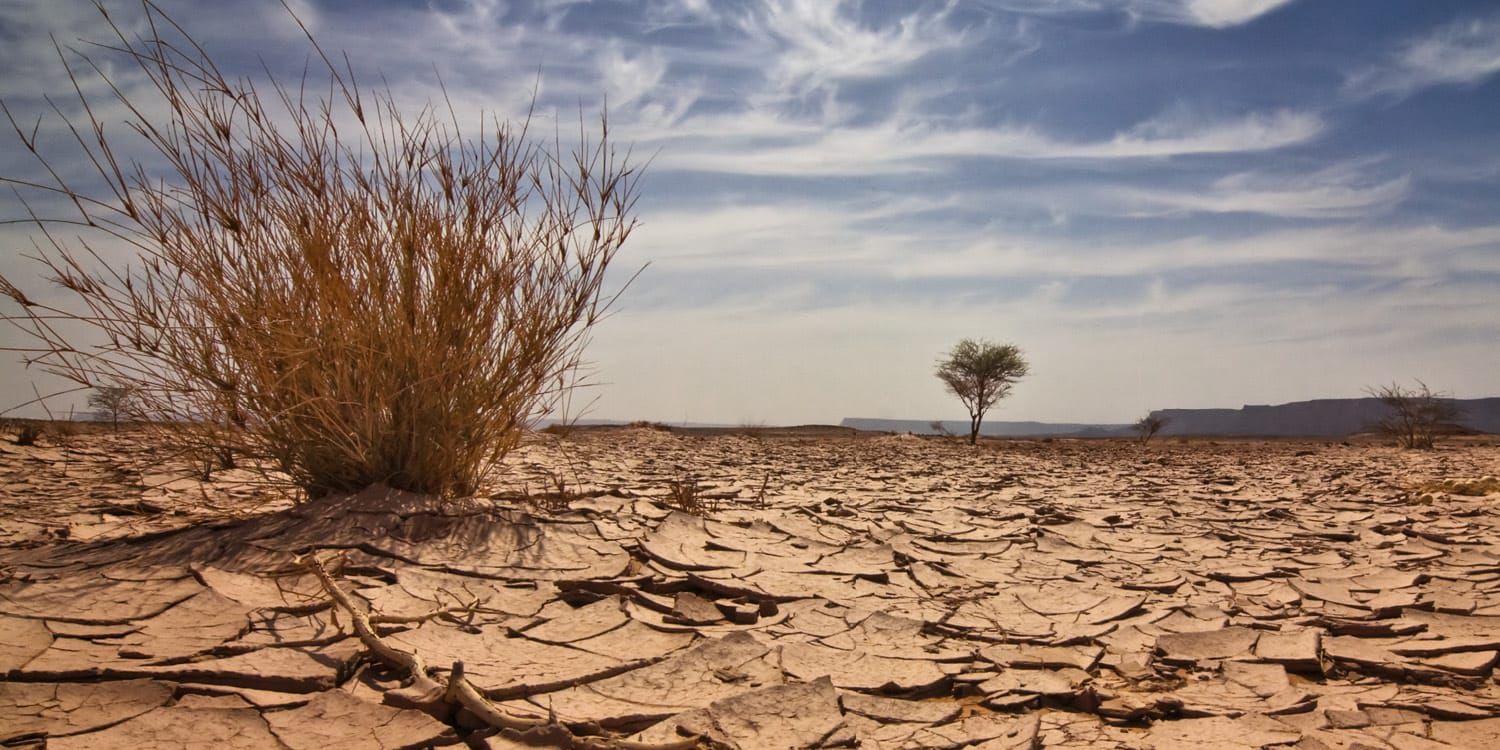
The report emphasizes that climate change is fueling desertification, leading to water scarcity, accelerating erosion, and resulting in revenue losses for both states and the national government.
It suggests that climate change could potentially lead to Nigeria losing trillions of dollars in stranded assets.
These far-reaching negative effects, the report states, have the potential to jeopardize Nigeria’s economic development and alter its geographical, social, and political trajectory for decades or even centuries.
The report underscores that some of the repercussions of climate change may be irreversible, emphasizing that climate change is not a marginal or peripheral issue that can be taken lightly by the Nigerian government and its people.
While acknowledging the significant threats posed by climate change to Nigeria’s economic development, the report also highlights the opportunity it presents for diversifying the economy, expanding the country’s energy portfolio, addressing energy security concerns, and enhancing global economic competitiveness.
The report suggests that transforming climate change from a threat into an opportunity requires deliberate planning supported by immediate, bold, and courageous action.
While successive Nigerian governments have acknowledged the threat of climate change and introduced various policies and commitments, the report points out that the actual implementation of these measures lags behind.
ALSO READ: Green economy and $100 billion climate pledge bring hope for youth employment
Furthermore, it notes the absence of a clear roadmap for the comprehensive implementation of key policies and commitments and the lack of clear budgetary provisions for their execution.
The report advocates for the integration of climate considerations into economic development strategies, which could lead to inclusive and sustainable growth.
It suggests that Nigeria can create a climate-resilient economy that promotes growth, reduces poverty, generates green jobs, reduces greenhouse gas emissions, and contributes to environmental sustainability.
The emphasis, the report advises, should be on industrialization and transition without significantly increasing the country’s emissions profile.
To achieve this, Nigeria needs to implement mitigation and adaptation strategies that enhance macroeconomic stability, economic transformation, job creation, and minimize the negative impacts of climate change on development.
 AGS NEWS