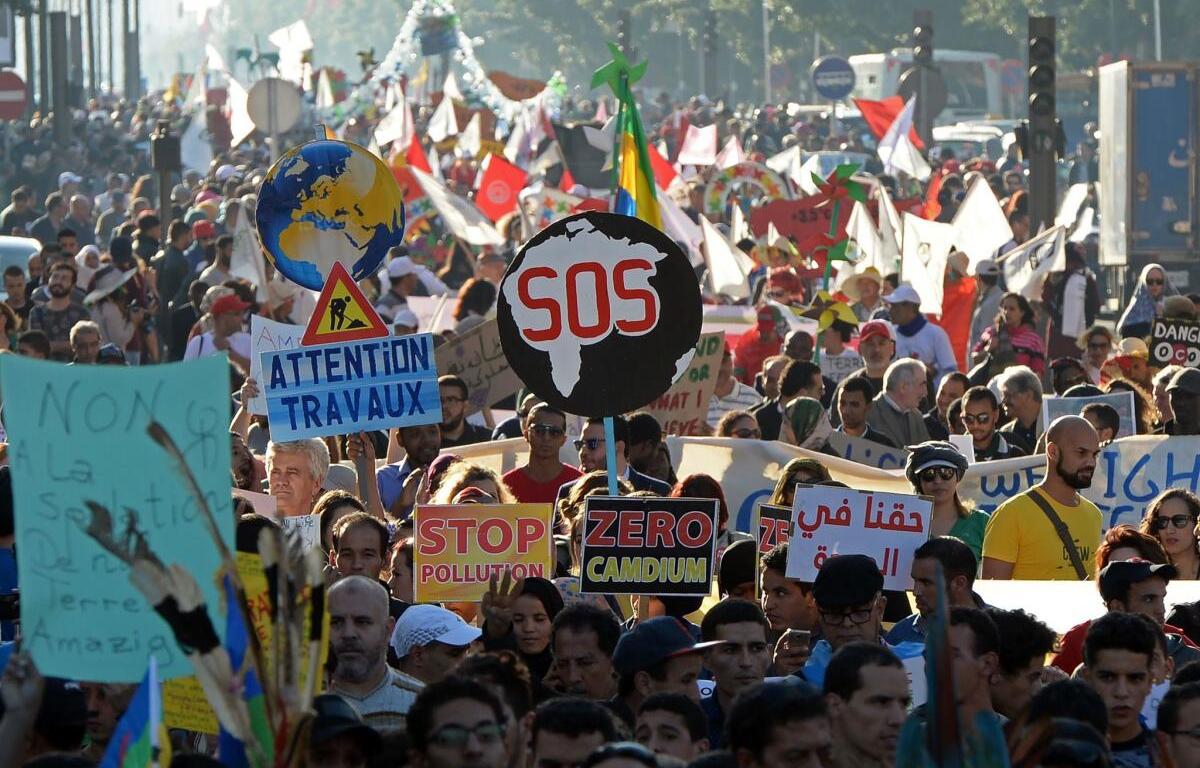
Leaders from nine small island nations have appeared before the United Nations Maritime Court in Hamburg to seek protection for the world’s oceans from the threats of catastrophic climate change, particularly the rising sea levels that endanger their very existence.
Their appeal to the International Tribunal for the Law of the Sea seeks a determination of whether carbon dioxide emissions absorbed by the oceans can be classified as pollution, and if so, what obligations countries have to safeguard the marine environment.
The island nations contend that years of diplomatic efforts and pleas with major greenhouse gas emitters to reduce emissions have yielded insufficient results, prompting their initiative.
Arnold Loughman, Attorney General of Vanuatu, emphasized the significance of the case, stating, “There is nowhere else for us to go. And so for us, this is all about our livelihood. But then you look at the bigger picture, and this is all about humanity.”
The coalition includes The Bahamas, Niue, Palau, St Kitts and Nevis, St Lucia, St Vincent and the Grenadines, and Antigua-and-Barbuda.
As one of the world’s largest carbon sinks, the ocean absorbs 25% of all CO2 emissions and captures 90% of the excess heat generated by them.
ALSO READ: Two siblings fatally shot by gunmen in Taraba
It generates 50% of the planet’s oxygen. Excessive carbon pollution results in detrimental chemical reactions such as acidification and coral bleaching, endangering the ocean’s ability to absorb CO2 and protect life on Earth.
These low-lying island nations also face the threat of submersion by the end of the century due to rising sea levels.
Gaston Browne, Prime Minister of Antigua-and-Barbuda, highlighted the adverse impacts, saying, “We are literally suffering from all the consequences.
So, for example, we have droughts, we have had floods, we have seen more ferocious and frequent hurricanes, heatwaves, bushfires. We have even lost part of our coastline as a result of sea level rise.”
Notably, small island developing states collectively account for less than 1% of global carbon emissions.
At the core of the case is the UN convention on the Law of the Sea, which obliges countries to prevent ocean pollution.
While the convention defines pollution as the introduction of “substances or energy into the marine environment” that harms marine life, it does not explicitly classify carbon emissions as a pollutant.
The nine island nations have turned to the court, believing that international law is an essential means to address the injustices their people are experiencing due to climate change.
Gaston Browne explained, “That should help to complement the climate diplomacy that has been taking place at the various COPs.
So this is a complementary pathway to ensure that we get leaders globally to enhance their ambitions, to make sure that we reduce global warming.”
Besides the island nations, countries including Germany, France, Saudi Arabia, and Australia are also participating in the hearing, which continues until September 25th.
The tribunal will subsequently issue an advisory opinion, although it is not legally binding.
 AGS NEWS