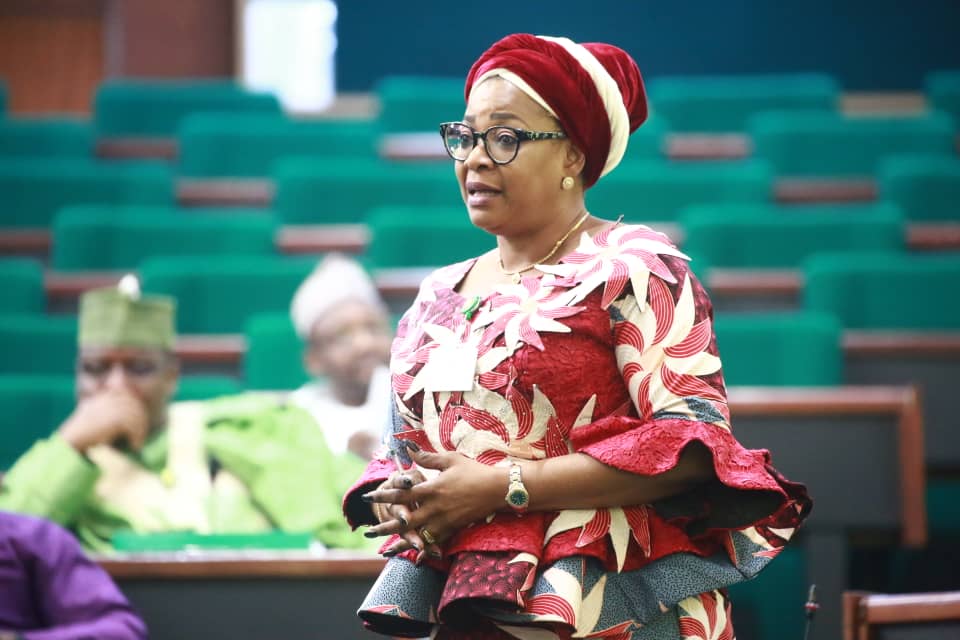
Hon. Tolulope Akande-Sadipe, the House of Representatives member representing Oluyole Federal Constituency in Oyo State, has refuted claims of inflating the contract sum for a road rehabilitation project within her constituency.
This comes in response to media reports alleging her involvement in inflating a 45-kilometer road project’s cost from N9 billion to N54 billion, in collaboration with officials from the Federal Ministry of Works.
The contractor responsible for the project, DC Engineering Limited, made these allegations during a public hearing held by the House of Representatives in Abuja.
Hon. Akande-Sadipe defended her actions, explaining that the road project, known as the Olojuoro, Ijebu-Igbo, Ita Egba, Owonomwen road, was awarded in 2018 with a two-year completion period.
However, after five years, only one kilometer of the road has been completed despite substantial mobilization funds provided to the contractor.
Numerous petitions from her constituents prompted her to sponsor a motion in the House of Representatives, calling for an investigation into the road’s deteriorating condition and the contractor’s failure to meet their contractual obligations.
ALSO READ: Oyo state government approves car loans for primary school teachers
Her motion specifically urged the establishment of an Ad-Hoc Committee to comprehensively investigate the contractor’s consistent failure to fulfill their contract.
During a public hearing on the road project, the lawmaker presented evidence of payments made to the contractor and refuted claims that her intervention aimed to benefit a particular contractor.
She emphasized her lack of direct or indirect association with the said contractor and denied any involvement in contract inflation.
Hon. Akande-Sadipe raised concerns about the competence of DC Engineering Limited, as some parts of the project were allegedly sub-contracted to smaller construction firms in violation of the contract terms.
She also highlighted instances where the company had collected money from communities to repair feeder road culverts, which were later removed during the rehabilitation process.
 AGS NEWS