Nigeria’s pursuit of an expansive gas infrastructure to address its gas needs demands an annual investment of $20 billion, according to the Nigeria Extractive Industries Transparency Initiative (NEITI).
Dr. Orji Ogbonnaya Orji, NEITI’s Executive Secretary, made this assertion during a policy dialogue on Nigeria’s Decade of Gas Action plan.
He emphasized that due to the diminishing investment landscape in fossil fuels, it is crucial to prioritize infrastructure projects.
Highlighting Nigeria’s vast gas reserves, Orji pointed out the significance of the Petroleum Industry Act (PIA) in enhancing the gas sector’s governance and fiscal frameworks.
He stressed the importance of a market-driven approach to translate gas plans into sustainable economic development, which necessitates substantial investment in infrastructure connectivity.
ALSO READ: Marketers predict cooking gas price increase for the coming week
Orji recommended the development of a comprehensive gas policy that involves state and non-state actors, backed by clear roles, timelines, and a robust monitoring system.
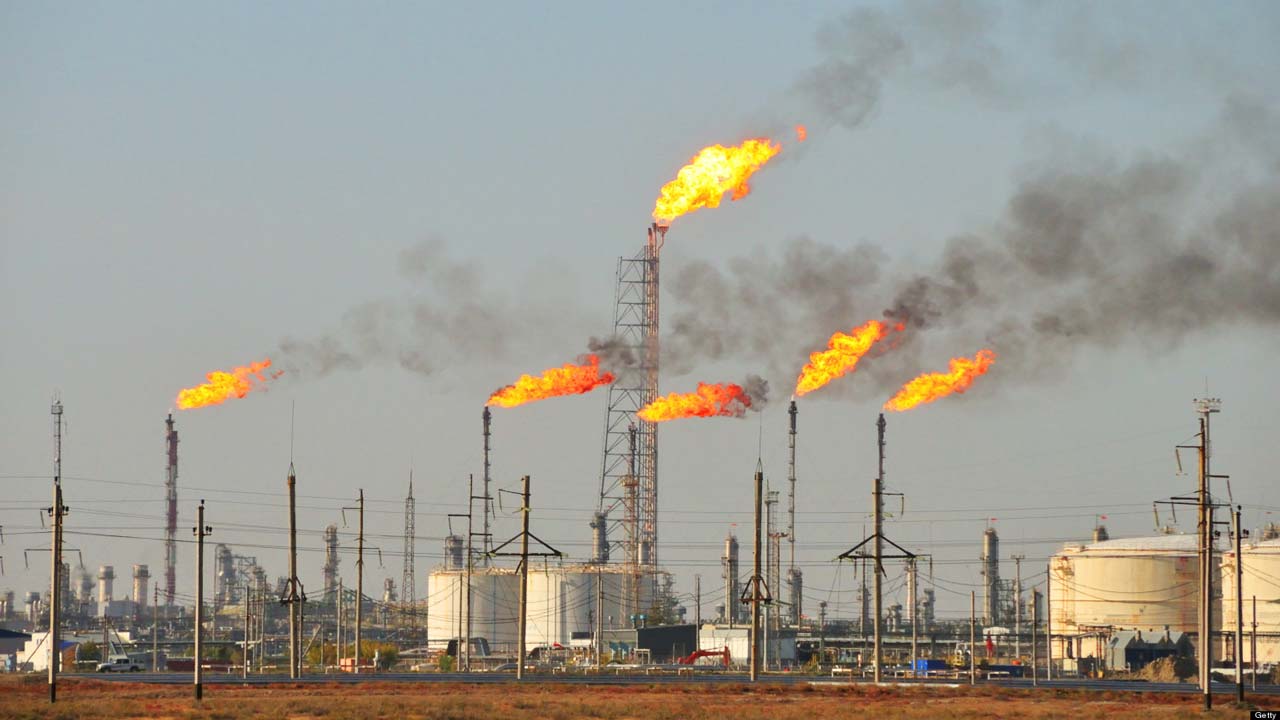
He advocated for a focused strategy to end gas flaring through a private sector-led commercialization program and the implementation of a transparent gas flare commercialization initiative.
Dr. Louis Ogbeifun, Executive Director of the African Initiative for Transparency, Accountability, and Responsible Leadership (AFRITAL), highlighted the contradiction of Nigeria’s gas wealth and citizens still relying on firewood or coal for cooking due to energy accessibility challenges.
He described the Decade of Gas Action Plan (DofG) as a transformative initiative to enhance energy accessibility, affordability, and sustainability, emphasizing the importance of initiatives like the Ajaokuta-Kaduna-Kano gas pipeline.
Furthermore, Aaron Sayne from the Natural Resource Governance Institute (NRGI) called for addressing foreign exchange and policy issues, increased investment, and access to finance for gas projects.
The Ministry of Petroleum Resource expressed commitment to energy transition through the National Gas Expansion Programme (NGEP) and Compressed Natural Gas engine conversion, aiming to boost production to meet growing demand.
 AGS NEWS