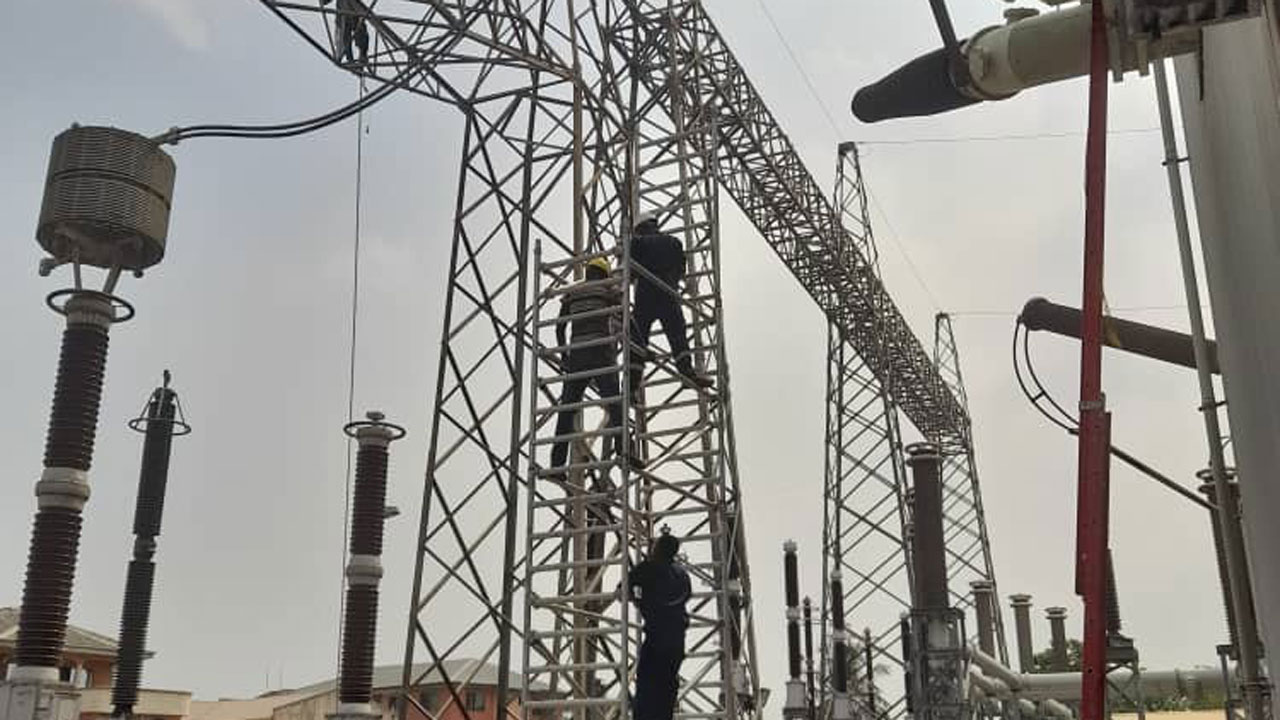
A variety of factors are driving the surge in high energy expenses, primarily attributed to the escalating diesel costs and the devaluation of the naira.
As a consequence, companies are grappling with the impact on their profit margins, necessitating them to transfer the heightened financial burden onto consumers.
Among the prominent enterprises listed are Dangote Cement, BUA Cement, Dangote Sugar, Transnational Corporation, Lafarge Cement, BUA Foods Plc, Fidelity Bank, and Wema Bank.
Financial data unveils over %18 elevation in energy
Financial data extracted from their statements unveils an 18.35 percent elevation in energy expenditures to N221.75 billion during the initial half of 2023, as opposed to N187.36 billion during the corresponding period the preceding year.
Foremost in the roster of high energy spenders during H1 2022 are the cement manufacturers, particularly Dangote Cement, which disbursed N157.020 billion on fuel and power, reflecting a 20.82 percent surge from the previous year.
The energy crisis in the manufacturing domain is exemplified by the observations of Israel Odubola, a Lagos-based research analyst, who highlights the disproportionate impact of energy costs on production expenses.
He contrasts this scenario with other countries where energy constitutes merely a fraction of production outlays, while in Nigeria, it frequently encompasses up to half of the total cost.
ALSO READ: CBN staff loans surge by 113%, reaching N40 billion
Amidst these challenges, businesses in Nigeria are grappling with unreliable power supply, compelling many to generate over 14,000 megawatts of electricity independently due to inadequacies in the distribution network.
According to the Power Sector Recovery Programme by the World Bank, this power deficit exacts an annual toll of around $29 billion on Nigerian businesses.
Moreover, Nigeria possesses the ignominious distinction of hosting the world’s largest population lacking access to electricity, with one out of every ten such individuals residing within the country’s borders.
This data, compiled from the Manufacturers Association of Nigeria, underscores the substantial financial outlay – to the tune of N639 billion – by member companies on alternative energy solutions between 2014 and 2021.
In response to this energy conundrum, numerous manufacturers, including Flour Mills of Nigeria, Dangote Group, Cadbury, Haffar, Kam Industries, and Qualitec Industries, have transitioned away from relying on electricity distribution companies (DisCos) for their power needs.
Instead, they have adopted strategies like utilizing gas or low-pour fuel oil to mitigate losses stemming from power outages during production.
 AGS NEWS