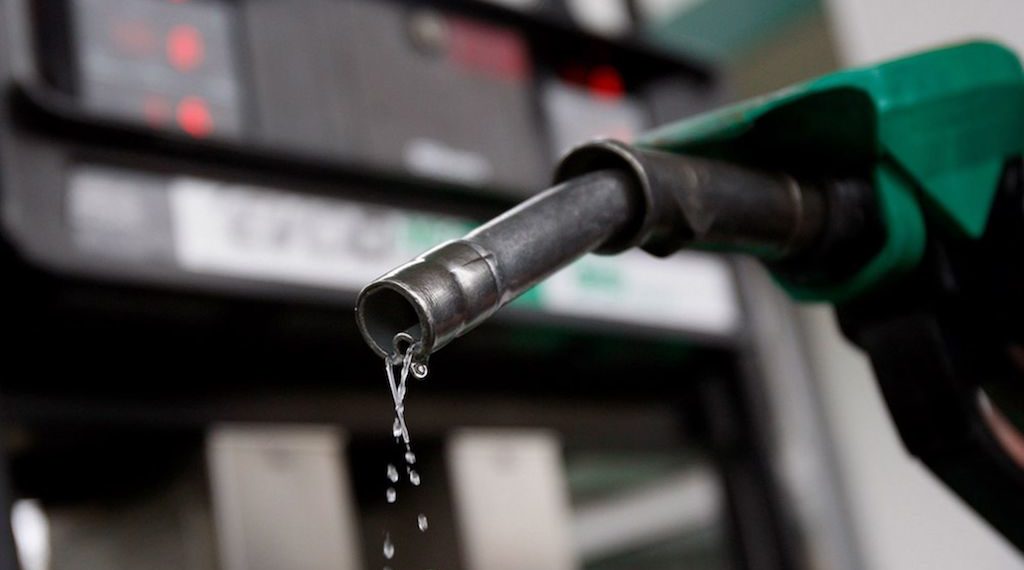
Strong indications suggest that the cost of petrol at the pump could be primed for a third increase in just 10 weeks, based on insights gathered from oil marketers.
This potential hike may occur sooner rather than later, driven by alarming data regarding the substantial rise in the landing cost of petrol.
This cost escalated by a notable 37.4% on a monthly basis, soaring to N632.17 per litre in July 2023 from the N460 per litre observed in June 2023.
Petrol prices could reach N700 per litre
This calculated landing cost excludes additional expenses such as transportation and taxes, which could potentially elevate the final price to nearly N700 per litre.Several oil marketers have projected a further escalation in the landing cost for August, attributed to exacerbating factors like foreign exchange scarcity and deteriorating exchange rates.
The naira’s value has depreciated approximately 6.5% in the official market and 25% in the parallel market since the previous pump price hike.
These mounting challenges are rendering the current pump price untenable for numerous importers.
Mike Osatuyi, the National Operations Controller of the Independent Petroleum Marketers Association of Nigeria (IPMAN), acknowledged that the surge in crude oil prices could yield added revenue for the government.
ALSO READ: West Africa petrol imports declined by 30% in Q2 – Reports
However, he conceded that a pump price increase is virtually unavoidable in a fully deregulated market, although he remains hopeful that competition will eventually drive prices down.
Amidst these dynamics, the Nigerian National Petroleum Company Limited (NNPCL) remains the primary importer, with private importation remaining constrained.
Nigeria’s diminishing crude oil output further exacerbates the situation, hampering the country’s capacity to import refined products.
This predicament aligns with the observations of the Organization of Petroleum Exporting Countries (OPEC), which has noted declining output among many member nations, including Nigeria.
Experts have indicated that while higher crude oil prices could bolster government revenue, consumers may bear the brunt as they potentially face increased fuel costs.
The overall market outlook remains uncertain, with soaring crude oil prices and the devaluation of the naira poised to persist, potentially continuing to disrupt pricing structures and challenging deregulation initiatives.
 AGS NEWS