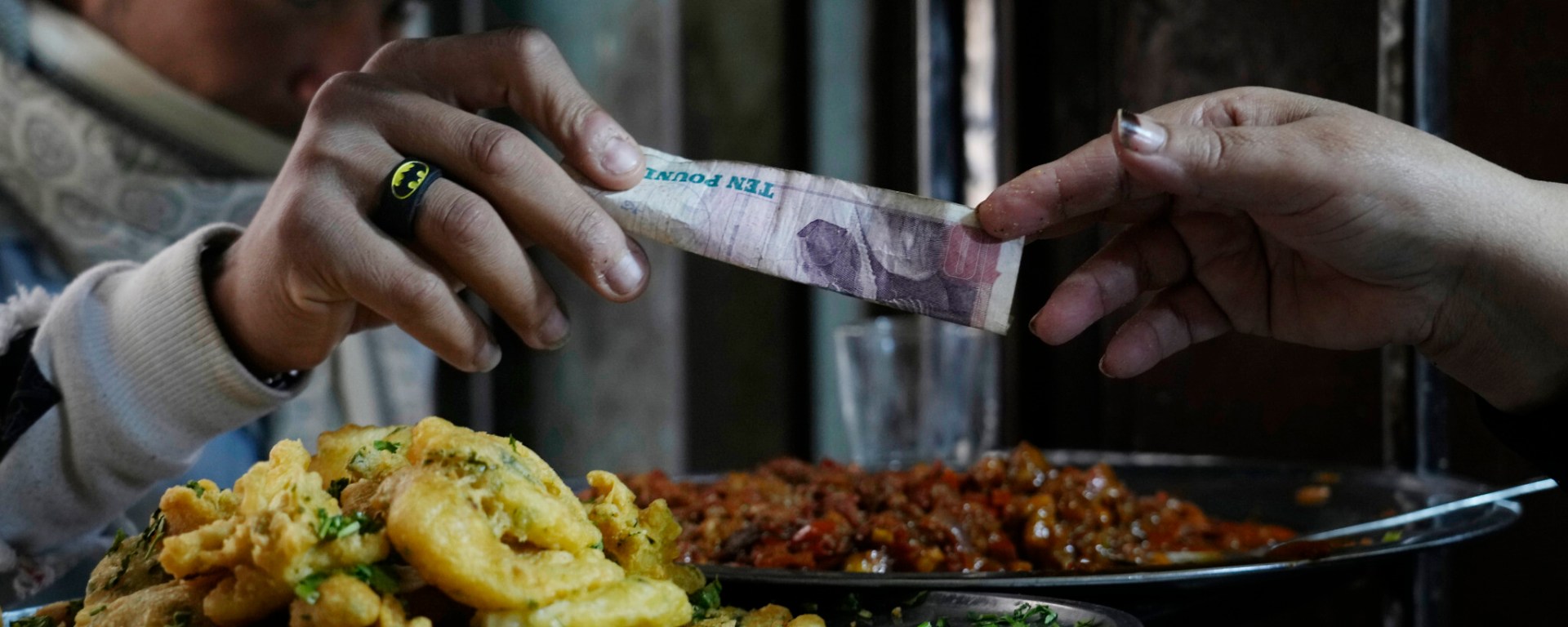
Annual inflation in Egypt reached a historic high of 36.8% in June, according to official data released on Monday. This alarming figure underscores the severe economic crisis the country is currently facing.
The previous record of 34.2% in July 2017 was also tied to a significant devaluation of the Egyptian pound due to an International Monetary Fund bailout loan.
The devaluation has led to a 50% decrease in the pound’s value against the dollar since early last year, causing prices to skyrocket and putting immense pressure on households in this import-dependent nation.
The latest figures indicate a nearly 37% increase compared to June of the previous year, with a 2% rise from May this year alone.
Despite signs of easing inflation in recent months, the cost of food and beverages alone surged by 64.9% compared to June 2022.
The economic crisis has been exacerbated by Russia’s invasion of Ukraine, which disrupted crucial food imports.
Even before these challenges, approximately 30% of Egyptians were living below the poverty line.
The invasion prompted significant capital outflows from Egypt’s foreign reserves, which have shown a slight recovery this year but remain $7 billion lower than pre-war levels.
The country’s external debt has tripled over the past decade, reaching a record high of $165.4 billion in 2023.
Egypt has relied on bailouts from Gulf allies and the IMF, with the IMF conditioning a $3 billion loan on Egypt’s shift to a flexible exchange rate regime.
Moody’s has identified Egypt as one of the five economies most at risk of defaulting on its foreign debt.
These challenging circumstances have stalled the purchase of Egyptian state assets by Gulf allies, whose deposits constitute a significant portion of the country’s foreign reserves.
 AGS NEWS