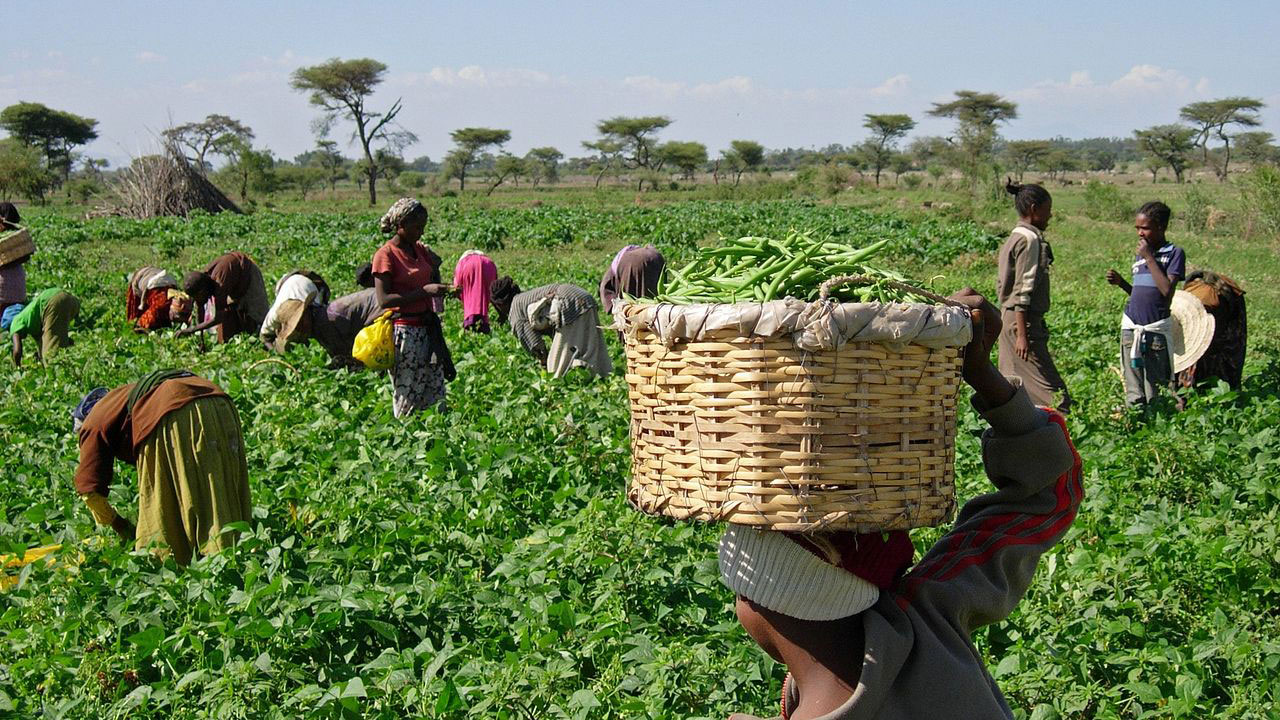
According to Mr. Ikechi Uko, the coordinator of the Aviacargo Roadmap Committee, Nigeria, despite being one of the largest producers of agricultural products, loses approximately $1 billion each year due to the non-certification of agricultural produce for export.
Speaking at the Federal Airport Authority of Nigeria (FAAN) National Aviation Conference (FNAC) in Abuja, Uko highlighted several factors that hinder the success of the aviacargo industry.
These include farmers’ noncompliance with internationally and domestically accepted standards, lack of certification, inability to trace produce, limited access to international markets, lack of knowledge on global requirements, bureaucratic processes, high costs of preservation and packaging, poor logistics, insecurity, inadequate airport infrastructure, lack of government support, and multiple taxation.
Uko emphasized the need for improvement in the certification of farms and operators in the agricultural value chain.
He also stressed the importance of starting agricultural exports from certified farms, either by the Nigerian Agricultural Quarantine Services (NAQS) or globally recognized Good Agricultural Practices (GAP) registered farms.
Additionally, Uko called for enhanced traceability of exportable produce and the resolution of issues at export cargo terminals.
The conference also featured other experts who addressed pertinent issues in the aviation sector.
Dr. Bernard Olumuyiwa Aliu, former president of the Council of International Civil Aviation Organisation (ICAO), urged stakeholders to make aviation a driver of Nigeria’s economy by providing the necessary support, policies, and operating environment.
Meanwhile, Prof. Mansur Bako Matazu, the Director General of NiMeT, discussed the challenge of brain drain in the sector and proposed solutions such as providing incentives, establishing partnerships, investing in education and training, and encouraging entrepreneurship and innovation.
 AGS NEWS