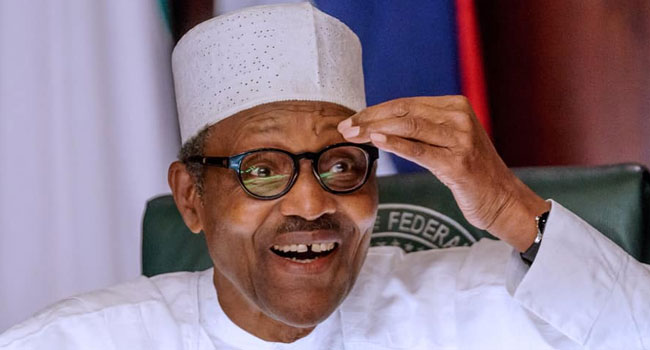
According to recent findings, while many Nigerians struggle with hardship and inflation, President Muhammadu Buhari, Vice President Yemi Osinbajo, state governors, and their deputies may have received a total of N651.2m ($1.6m) as hardship allowance over the past eight years.
The allowance, which is 50% of their annual basic salary, is also given to judges in the country.
The Revenue Mobilisation and Fiscal Allocation Commission (RMAFC) disclosed that the President is entitled to N1.76m ($4,271) annually as hardship allowance, while the Vice President is entitled to N1.52m ($3,684) annually.
ALSO READ: I am proud of my achievements in uplifting Nigeria’s sports sector – Sunday Dare
In addition, state governors are entitled to N1.11m ($2,685) annually and their deputies are entitled to N1.06m ($2,567) annually.
Therefore, the hardship allowance of the 36 state governors would have cost N319.68m ($776,373) while that of their deputies would have cost N305.28m ($742,018) over the eight-year period.
This news comes as Nigerian labor unions score the regime and state governors low in terms of their treatment of workers and citizens’ welfare.
The National Treasurer of the Nigeria Labour Congress, Hakeem Ambali, stated that the outgoing regime has inflicted heavy hardship and suffering on Nigerian workers, citing job losses, insecurity, economic hardship, and other calamities.
The cost of living in Nigeria has made the minimum wage meaningless, according to the Ogun State chapter of the Trade Union Congress. Additionally, a report by the National Bureau of Statistics indicates that about 133 million Nigerians live in poverty.
Civil society organizations are warning that this poverty rate could lead to a new level of hunger and an economic crisis in Nigeria if it is not urgently addressed.
ALSO READ: There’s limited borrowing space and troublesome situation under President Buhari – Budget Office
The International Human Rights Commission has urged the government to empower people in rural communities to reduce poverty in Nigeria.
Meanwhile, the Minister of Labour and Employment, Chris Ngige, has stated that Nigerians will not die but will adjust to the economic hardships in the country.
 AGS NEWS