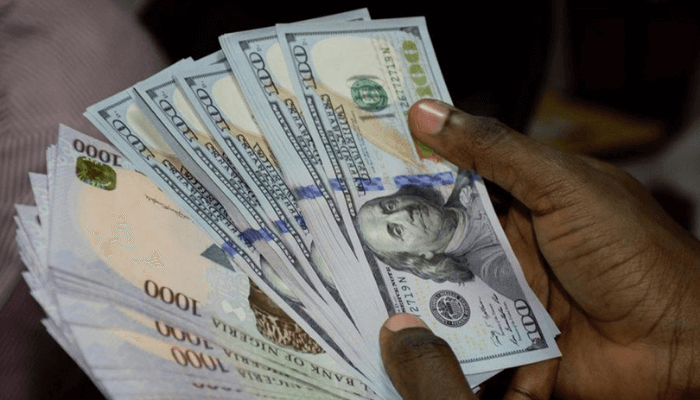
According to World Bank reports gathered by correspondents, the Nigerian Diaspora community has sent $168.33 billion to the country over the past eight years. In contrast, foreign investments inflow into the country fluctuated during this period, which led to a scarcity of foreign currency and the free fall of the naira.
However, the data shows that Nigeria’s Diaspora remittances have played a crucial role in mitigating the impact of foreign exchange scarcity and keeping the country’s forex reserve afloat.
The World Bank noted that remittances flow to sub-Saharan Africa rose by 5.2 percent to $53 billion in 2022, with Nigeria receiving the largest share. Specifically, the data shows that Nigerians in the Diaspora sent a total of $168.33 billion home between 2015 and 2022.
ALSO READ: Dollar declines as inflation falls short of economists’ forecasts
The breakdown of the figures indicated that Diaspora remittance was $21.2 billion in 2015, fell to $19.7 billion in 2016, increased to $22 billion in 2017, and rose to $24.31 billion in 2018. In 2019, it fell to $23.81 billion, plummeted to $17.21 billion in 2020 due to the pandemic, and made a rebound to $19.2 billion in 2021. By 2022, the World Bank estimated that inflows into the country had reached $20.9 billion.
The World Bank also stated that Diaspora remittance was one of the top sources of non-oil foreign exchange for Nigeria in 2022. It noted that the sustained increase in Diaspora inflows since 2021 was due to several new policies from the Central Bank of Nigeria. The bank’s data as of April 19, 2023, showed that Nigeria’s forex reserve was $34.43 billion, an 18.4 percent increase from the $29.07 billion it was in 2015.
ALSO READ: Naira declines by 0.46% against the dollar
Although Diaspora remittance has provided a lifeline for many Nigerians, the Nigerian Diaspora community recently stated that the current global economic hardship may affect its ability to transfer a lot of funds home.
 AGS NEWS